Immune Optimization Through Photobiomodulation
Medically & Scientifically Verified: Evaluated against 660nm - 1060nm photobiomodulation standards for UAE clinical performance.
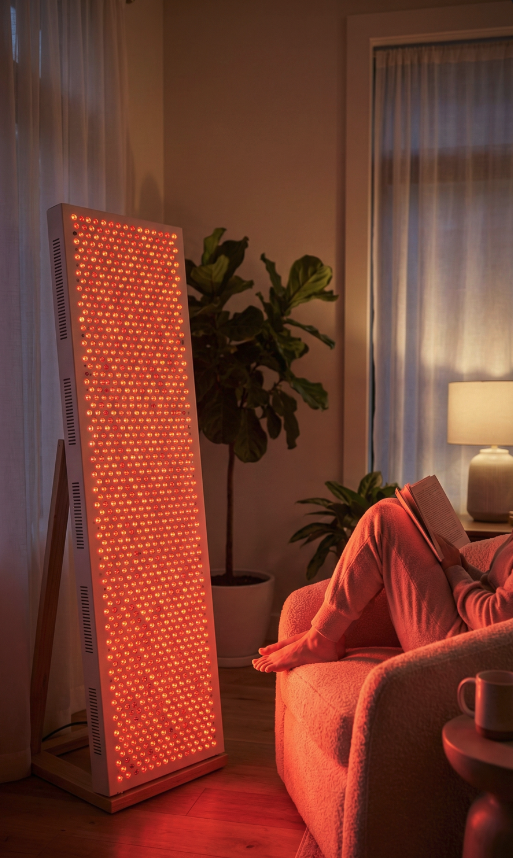
Clinical Immunology / Cellular Medicine
The Crimson
Protocol
Photobiomodulation as immunological infrastructure for the Emirates' high-velocity professional landscape.
In the convergence of Dubai's hyper-connectivity and desert extremes, immune resilience has transcended wellness to become professional infrastructure. The constant velocity—DXB's 89 million annual transit passengers, the thermal shock of 45°C exteriors meeting 18°C interiors, circadian disruption from global timezone shifts—creates a unique immunological debt.
Photobiomodulation (PBM) offers not supplementation but cellular re-architecture. By targeting mitochondrial cytochrome c oxidase with specific wavelengths (630–850nm), we enhance ATP synthesis by 30–40%, directly fueling the leukocyte proliferation and pathogen surveillance compromised by chronic cortisol elevation.
78%
of UAE residents present with Vitamin D deficiency despite abundant solar exposure
Mechanisms of Action
01 Cytokine Modulation
Regulation of TNF-α and IL-6 prevents the low-grade inflammatory cascade endemic to sedentary office environments while preserving acute immune response capability.
02 Leukocyte Enhancement
Macrophage phagocytosis, T-cell coordination, and dendritic cell antigen presentation are amplified—critical for the high pathogen exposure of Dubai International transit.
03 Lymphatic Stimulation
Improved circulation accelerates cellular waste removal and leukocyte transport, counteracting the circulatory stagnation of long-haul travel and extended desk work.
04 Nrf2 Pathway Activation
Triggering antioxidant enzyme production (superoxide dismutase, catalase) protects immune cells from oxidative stress prevalent in high-pollution urban corridors.
"We are not stimulating immunity superficially, but enhancing the bioenergetic capacity of surveillance at the mitochondrial level."
UAE-Specific Protocol
| Parameter | Specification | Rationale |
|---|---|---|
| Wavelength | 660nm + 850nm | Surface and deep lymphatic penetration |
| Duration | 10–20 minutes | Nrf2 activation without biphasic inhibition |
| Frequency | Daily or 5× weekly | High-exposure lifestyle support |
| Ramadan | Post-Iftar | Hydration optimization for penetration |
Environmental Context
The Emirates presents a unique immunological paradox: abundant solar exposure coexists with widespread Vitamin D deficiency due to indoor office culture. The thermal shock of climate transition (45°C ambient to 18°C interior) induces chronic sympathetic activation. Photobiomodulation addresses these specific stressors through mitochondrial stabilization and circadian recalibration, particularly beneficial for professionals managing frequent timezone transitions and high-stake corporate environments.
Therapeutic Timeline
Weeks 1–2
Cellular Activation
Subclinical improvements in sleep architecture and morning stiffness. Cytokine markers begin optimization.
Weeks 3–4
Immune Enhancement
Clinically significant IL-6 reduction. Enhanced recovery from minor infections and environmental stressors.
Weeks 5–6
Resilience Established
Robust immune resilience. Optimal Nrf2 pathway activation and reduced susceptibility to opportunistic infection.
Clinical Precaution
Patients with autoimmune conditions (lupus, rheumatoid arthritis, multiple sclerosis) or those on immunosuppressive therapy should consult DHA-licensed specialists before initiation. While PBM modulates immune function beneficially, enhanced cell activity requires monitoring in autoimmune contexts.
Inquiries
- What is the timeline for measurable immune enhancement?
- Subjective improvements (energy, recovery velocity) manifest within 2–4 weeks. Quantifiable immunological markers (IL-6 reduction, lymphocyte activity indices) typically require 4–8 weeks of consistent protocol adherence. For UAE residents facing acute seasonal transitions or pre-travel preparation, we recommend initiating protocols 6 weeks prior to high-exposure periods.
- Is photobiomodulation indicated during active infection?
- Suspend treatment during active fever. In the post-febrile phase, PBM accelerates recovery by supporting macrophage clearance and reducing inflammatory sequelae. For respiratory infections common in climate-controlled environments, PBM may reduce symptom duration when applied to thoracic regions.
Begin your cellular optimization protocol.
Schedule Clinical AssessmentBiology, optimized.
Our medical-grade photobiomodulation systems are engineered for the most discerning health optimizers in the UAE.