Is Red Light Therapy Safe? What the Science Says
Medically & Scientifically Verified: Evaluated against 660nm - 1060nm photobiomodulation standards for UAE clinical performance.
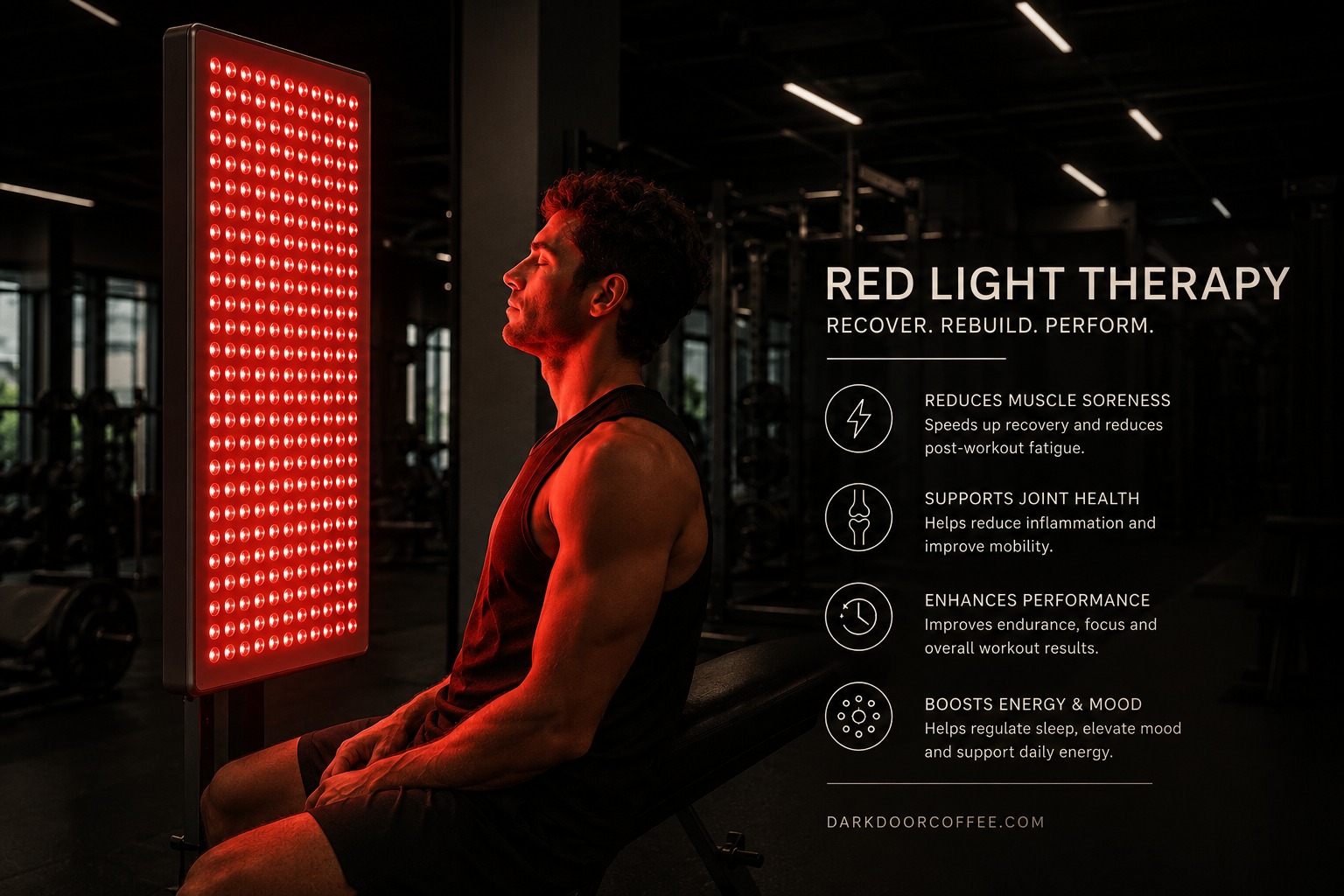
- 1.What Is Red Light Therapy and How Does It Work?
- 2.Is Red Light Therapy Safe? What Decades of Research Tell Us
- 3.Proven Benefits That the Science Consistently Supports
- 4.Is Red Light Therapy Safe for Home Use? Understanding the Risk Factors
- 5.Who Should Exercise Caution with Red Light Therapy?
- 6.Why Device Certification Is the Foundation of Safe Red Light Therapy
- 7.Frequently Asked Questions
- 8.Experience Safe, Medical-Grade Red Light Therapy in Dubai
Is red light therapy safe? It is one of the most searched questions in wellness today — and with good reason. As red light therapy moves from clinical research into everyday Dubai homes, gyms, and spas, understanding exactly what the science says about its safety profile is not just reassuring, it is essential.
What Is Red Light Therapy and How Does It Work?
Red light therapy (RLT), also known as photobiomodulation (PBM), is a non-invasive treatment that delivers specific wavelengths of light to the skin and underlying tissue. Unlike UV light — which damages DNA and causes sunburn — red and near-infrared wavelengths interact with the body at a cellular, regenerative level.
The primary mechanism is well-documented in peer-reviewed literature: red light at 630–670nm and near-infrared light at 810–850nm are absorbed by cytochrome c oxidase, a key enzyme in the mitochondrial electron transport chain. This absorption stimulates the mitochondria to produce more adenosine triphosphate (ATP) — the fundamental energy currency of every cell in your body. Simultaneously, the therapy modulates reactive oxygen species (ROS), reducing oxidative stress rather than adding to it.
This is a critical distinction when evaluating safety. Red light therapy does not ionise tissue, does not generate heat at therapeutic doses, and does not interfere with cellular DNA. It works with your biology, not against it. That fundamental characteristic is what places it in an entirely different risk category compared to UV treatments, laser ablation, or pharmaceutical interventions.
Is Red Light Therapy Safe? What Decades of Research Tell Us
The short, science-backed answer is: yes, red light therapy is considered safe for the vast majority of healthy adults when used correctly. This is not marketing language — it is a conclusion supported by thousands of peer-reviewed studies and decades of clinical use across dermatology, physiotherapy, sports medicine, and rehabilitation.
A landmark review published in the journal Photomedicine and Laser Surgery examining over 50 years of photobiomodulation research found no serious adverse events associated with therapeutic-level red and near-infrared light exposure. The World Association for Laser Therapy (WALT) and various sports medicine bodies have published dosage guidelines that clinical practitioners follow globally, further cementing RLT's status as a low-risk modality.
What makes this especially relevant in the Dubai and GCC context is the environment we live in. High UV exposure, demanding lifestyles, indoor air conditioning, and intense training schedules mean that residents here are often dealing with higher-than-average levels of oxidative stress, skin concerns, and recovery demands. Red light therapy addresses many of these challenges without introducing new physiological burdens.
Proven Benefits That the Science Consistently Supports
Safety and efficacy are two sides of the same coin. Understanding what red light therapy is proven to do helps contextualise why millions of people — from elite athletes to dermatologists to biohackers — have integrated it into their wellness routines. The following benefits are supported by multiple independent clinical studies:
- ●Muscle recovery and performance: Red and near-infrared wavelengths penetrate deep into muscular tissue, reducing exercise-induced inflammation and accelerating the clearance of metabolic waste products. Multiple RCTs in sports science journals confirm measurable improvements in post-exercise recovery times.
- ●Skin collagen and elastin production: At 630–670nm, red light stimulates fibroblast activity, increasing the synthesis of collagen and elastin — the structural proteins responsible for skin firmness, elasticity, and a youthful appearance. This is one of the most replicated findings in RLT literature.
- ●Inflammation reduction: By modulating pro-inflammatory cytokines and supporting mitochondrial function, RLT has demonstrated consistent anti-inflammatory effects — relevant for everything from joint pain to systemic inflammatory conditions.
- ●Joint pain relief: Near-infrared light at 810–850nm penetrates deeply enough to reach joint capsules and periarticular tissue. Clinical studies in rheumatology and physiotherapy have documented meaningful reductions in joint pain scores for conditions including osteoarthritis and tendinopathy.
- ●Sleep quality: Emerging research suggests that near-infrared light exposure in the evening may support melatonin regulation and circadian rhythm balance, potentially improving both sleep onset and sleep depth — a meaningful benefit in a high-stress urban environment like Dubai.
- ●Wound healing and tissue repair: Red light therapy has been used clinically to accelerate wound healing, reduce scar formation, and support tissue regeneration — a benefit that extends from post-surgical recovery to everyday skin repair.
- ●Cognitive performance: Transcranial near-infrared light application is a growing area of neuroscience research, with studies suggesting improvements in cognitive function, focus, and mood via increased cerebral blood flow and mitochondrial support in neuronal tissue.
Is Red Light Therapy Safe for Home Use? Understanding the Risk Factors
Home use is where most safety questions arise — and understandably so. When a therapy moves out of a clinical setting and into a living room or home gym, the variables change. The good news is that the inherent safety profile of red light therapy remains intact at home, provided the device meets certain standards and is used sensibly.
The key variables that determine home safety are device quality, dosage, and a small number of specific contraindications.
Device quality matters enormously. Not all red light panels are equal. Consumer-grade devices from unverified sources may misrepresent their wavelengths, emit inconsistent power output, or — most concerningly — produce electromagnetic field (EMF) radiation that the manufacturers do not disclose. This is precisely why medical-grade certification and independent verification are non-negotiable when selecting a panel for consistent home use.
The TWL Rex range addresses this directly. Every Rex panel is CE-certified, built with medical-grade LEDs calibrated to deliver precise 630–670nm and 810–850nm wavelengths, and independently verified to emit 0 EMF. In a market flooded with wellness gadgets of questionable provenance, this level of certification is meaningful — not just commercially, but physiologically. What you are placing in your home should be exactly what it claims to be.
Dosage is the other core safety variable. Red light therapy follows a biphasic dose-response curve — meaning that within a therapeutic window, more exposure delivers more benefit, but beyond a certain threshold, excess dosage can become counterproductive. This is not unique to RLT; it applies to most physiological stimuli, including exercise. The practical implication is simple: follow the usage guidelines provided with your panel. For most full-body Rex panels, sessions of 10–20 minutes at the recommended distance are both effective and well within the safe dose range.
Who Should Exercise Caution with Red Light Therapy?
While red light therapy is safe for the overwhelming majority of users, there are specific populations who should consult a healthcare professional before beginning regular sessions. This is standard medical prudence, not a reflection of inherent danger.
- ●Pregnant women: There is insufficient clinical data on RLT during pregnancy. As a precautionary principle, direct abdominal exposure is not recommended until more research is available.
- ●Individuals with active cancer or photosensitive conditions: Those undergoing cancer treatment or diagnosed with photosensitivity disorders (such as lupus erythematosus) should seek medical clearance before use, as the cellular stimulation effects of RLT warrant professional oversight in these contexts.
- ●Individuals taking photosensitising medications: Certain antibiotics, antifungals, and psychiatric medications increase light sensitivity. Check with your prescribing physician if you are on long-term medication.
- ●Eye safety: While red and near-infrared light at therapeutic intensities are not the same as laser treatments, it is best practice to keep your eyes closed or use the protective eyewear included with quality panels when the light source is directed toward your face. Rex panels come with guidance on this.
Outside of these specific considerations, red light therapy has no meaningful contraindications for healthy adults. It does not cause thermal burns at standard distances and durations, does not interact with normal skin pigmentation, and carries no cumulative toxicity. This is a meaningful differentiator from many pharmaceutical and procedural wellness interventions.
Why Device Certification Is the Foundation of Safe Red Light Therapy
In Dubai and across the GCC, the wellness technology market is growing at a remarkable pace. With that growth comes a proliferation of devices that vary wildly in quality, accuracy, and transparency. For a therapy whose safety and efficacy depend directly on delivering precise wavelengths at therapeutic irradiance levels, this matters profoundly.
A panel that claims 850nm but delivers inconsistent or incorrect wavelengths does not just underperform — it potentially delivers a different biological signal than intended. Similarly, a device with undisclosed EMF output introduces a variable that has no place in a health-focused product. CE certification, medical-grade LEDs, and third-party EMF testing are not premium add-ons. For anyone serious about safe, effective red light therapy, they are baseline requirements.
The TWL Rex range was designed with this standard in mind, specifically for the discerning Dubai wellness consumer and for clinical operators — gyms, spas, physiotherapy clinics, hotels — who require both performance certainty and client safety assurance. With Dubai-based customer support and B2B pricing structures for professional settings, Rex panels are built for the GCC market's specific expectations and standards.
Frequently Asked Questions
Is red light therapy safe to use every day?
Yes, daily use of red light therapy is considered safe for most healthy adults when used within the recommended dosage guidelines. Most clinical protocols and device manufacturers — including TWL Rex — recommend sessions of 10–20 minutes per body area per day. Because red light therapy follows a biphasic dose-response curve, consistent daily use within this window is more effective than infrequent, prolonged sessions. There is no evidence of cumulative toxicity or harm from regular use at therapeutic doses.
Can red light therapy cause cancer or skin damage?
No. Red light therapy does not cause cancer or skin damage. Unlike UV radiation, red (630–670nm) and near-infrared (810–850nm) wavelengths are non-ionising — they do not break chemical bonds in DNA or damage cellular structures. Decades of research, including long-term studies, have found no carcinogenic risk associated with therapeutic photobiomodulation. In fact, RLT stimulates cellular repair mechanisms, reduces oxidative stress, and supports skin collagen production — the opposite of UV-induced skin damage.
Is red light therapy safe for the eyes?
Red light therapy at therapeutic intensities is not the same as laser treatment and is generally considered safe for the eyes when standard precautions are followed. Best practice is to keep eyes closed or wear the protective eyewear included with quality panels during face-directed sessions. Research into transcranial and periorbital near-infrared light is ongoing, with some studies suggesting potential benefits for eye health — but until protocols are more firmly established, protective measures during sessions are recommended as a prudent precaution.
What are the side effects of red light therapy?
Red light therapy has a very low side-effect profile. The most commonly reported experiences are mild and temporary: a gentle warmth during the session, slight skin redness immediately after (particularly in fair-skinned individuals or those new to RLT), and occasionally a temporary feeling of fatigue as the body responds to the increased cellular activity — similar to how one might feel after a relaxing massage. These effects typically resolve within an hour. Serious adverse events have not been documented in the clinical literature when therapy-grade devices are used at recommended doses and distances.
Experience Safe, Medical-Grade Red Light Therapy in Dubai
The TWL Rex range delivers CE-certified, 0 EMF red light therapy with precise 630–670nm and 810–850nm wavelengths — for home users, clinics, gyms, spas, and hotels across the UAE and GCC.
Shop Rex Panels →Biology, optimized.
Our medical-grade photobiomodulation systems are engineered for the most discerning health optimizers in the UAE.