Dubai 30x30 runs from 31 October to 29 November 2026. The target is simple: 30 minutes of movement for 30 days. The harder part is recovering well enough to keep showing up.
This guide gives you a week-by-week Dubai Fitness Challenge recovery plan, a daily 10-minute reset, a Dubai Run 72-hour recovery timeline, and practical advice on hydration, soreness, sleep and recovery tools.
Every day for 30 consecutive days.
The 10th edition of Dubai Fitness Challenge.
5 km and 10 km routes on Sheikh Zayed Road.
Dubai Fitness Challenge is built around consistency, not thirty days of maximum intensity.
The official 2026 Dubai Fitness Challenge runs from 31 October to 29 November. The idea is to complete at least 30 minutes of activity each day, but that activity can range from walking and yoga to running, padel, cycling, swimming and strength training.
That matters because the most common mistake is making every 30-minute block a hard workout. A better approach is to vary intensity so that the challenge remains sustainable across the entire month.
A four-week Dubai 30x30 recovery plan
Use the month as a progression rather than a daily test. The goal is to arrive at the final week still moving well, not exhausted from trying to win every day.
Build the habit
Keep most sessions moderate. Focus on showing up, hydration, comfortable movement and learning what 30 minutes a day actually feels like alongside work and family life.
Add intensity carefully
Introduce one or two harder sessions if you are recovering well. Keep easy days genuinely easy so accumulated fatigue does not begin to climb.
Peak, then ease off
If Dubai Run is part of your plan, avoid adding extra hard lower-body work late in the week. Prioritise sleep, hydration and familiar sessions.
Dubai Run + finish strong
Keep the day before Dubai Run light, recover after the event, then finish the remaining days with lower-intensity movement rather than forcing extra fatigue.
Your 10-minute daily 30x30 recovery routine
You do not need a complicated recovery ritual. A short routine after harder days can be enough to keep the basics visible.
| Time | Action | Why it matters |
|---|---|---|
| 0–2 min | Drink and cool down | Start replacing fluids and let breathing settle. |
| 2–5 min | Easy walking or mobility | Keep moving without adding more training stress. |
| 5–8 min | Check soreness and fatigue | Use subjective feedback alongside wearable data. |
| 8–10 min | Plan the next day | Decide whether tomorrow should be hard, easy or recovery-focused. |
Your Dubai 30x30 recovery checklist
Do not make every day hard
Rotate hard, easy and recovery days. Thirty minutes of activity does not have to mean thirty minutes of maximum intensity.
Hydrate before you feel behind
Dubai heat and sweat loss can make daily activity feel harder. Start hydrated and replace fluids afterwards.
Refuel after harder sessions
Carbohydrate helps replenish glycogen while high-quality protein supports muscle protein synthesis and tissue repair.
Protect your sleep
If your activity increases, sleep becomes more important, not less. Avoid stacking late hard sessions when you already feel run down.
Track soreness, not just steps
Wearables can show training load, HRV or resting heart rate, but subjective soreness and energy still matter.
Use recovery tools intentionally
Mobility, massage, compression and photobiomodulation can support a broader routine. None replaces hydration, food, sleep or sensible training load.
Which recovery tools make sense during 30x30?
Use tools to solve specific problems. Do not collect recovery gadgets without first managing the basics.
| Tool | Best use | Main advantage | Limitation |
|---|---|---|---|
| Sleep | Whole-body recovery | Foundational and free | Requires enough time and consistency |
| Nutrition + hydration | Refuelling | Supports glycogen, fluids and protein intake | Needs planning |
| Mobility / easy movement | Stiffness and active recovery | Easy to repeat | Not a substitute for rest when fatigue is high |
| Compression / massage | Perceived soreness | Passive and convenient | Effects vary by person |
| Red light therapy | Targeted muscle recovery routine | Non-invasive and easy to integrate at home | Dose, distance and protocol matter |
Burnout warning signs during Dubai 30x30
The challenge is meant to build consistency. If accumulated load is getting too high, reduce intensity rather than forcing another hard day.
What should you pack for Dubai 30x30?
Your 72-hour Dubai Run recovery plan
Dubai Run takes place on Sunday, 22 November 2026, with 5 km and 10 km routes. Plan for it as the highest-load event of the week.
Keep the day easy, hydrate normally, eat familiar food and prioritise sleep.
Walk briefly, drink, eat and avoid turning recovery into another hard workout.
Check soreness, energy and movement quality before deciding what your next 30 minutes should be.
Return to harder training only when your legs and overall fatigue are moving back toward baseline.
What does research say about recovery?
A 2026 review by Martínez-Sanz et al. reported that carbohydrate and protein remain among the most consistently supported nutritional strategies after demanding exercise, with carbohydrate supporting glycogen restoration and high-quality protein supporting muscle protein synthesis and tissue repair.
A 2024 meta-analysis by Li et al. in Lasers in Medical Science found that pre-exercise PBM supported muscle endurance and some recovery outcomes in certain groups, although results varied by activity level and protocol.
Training load, sleep, nutrition and hydration remain the foundation of a sustainable 30-day challenge.
Where red light therapy can fit into Dubai 30x30
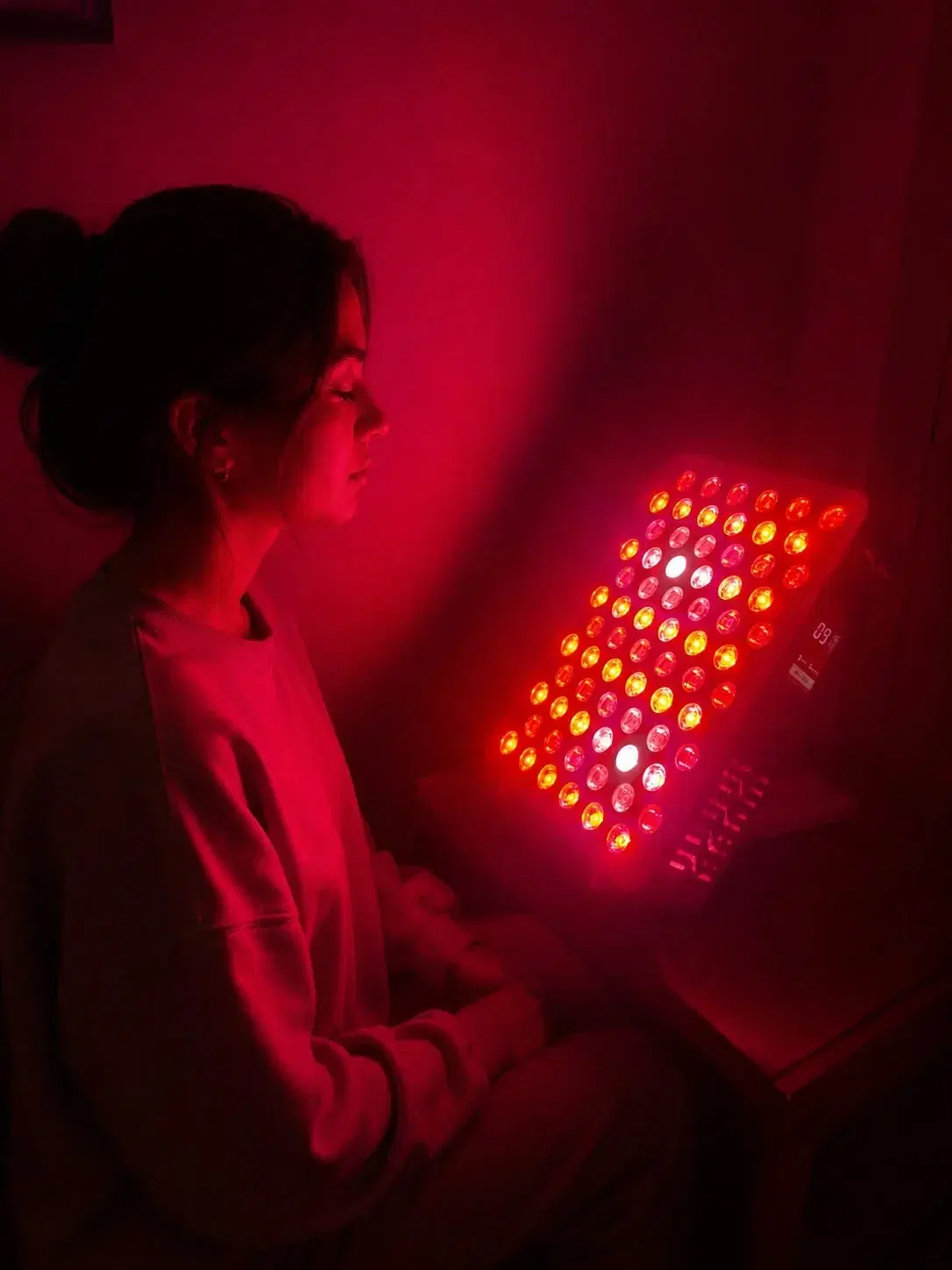
Photobiomodulation can sit alongside sleep, hydration, nutrition and mobility as part of a broader recovery routine. It should not be used to ignore sharp pain or repeatedly push through an injury.
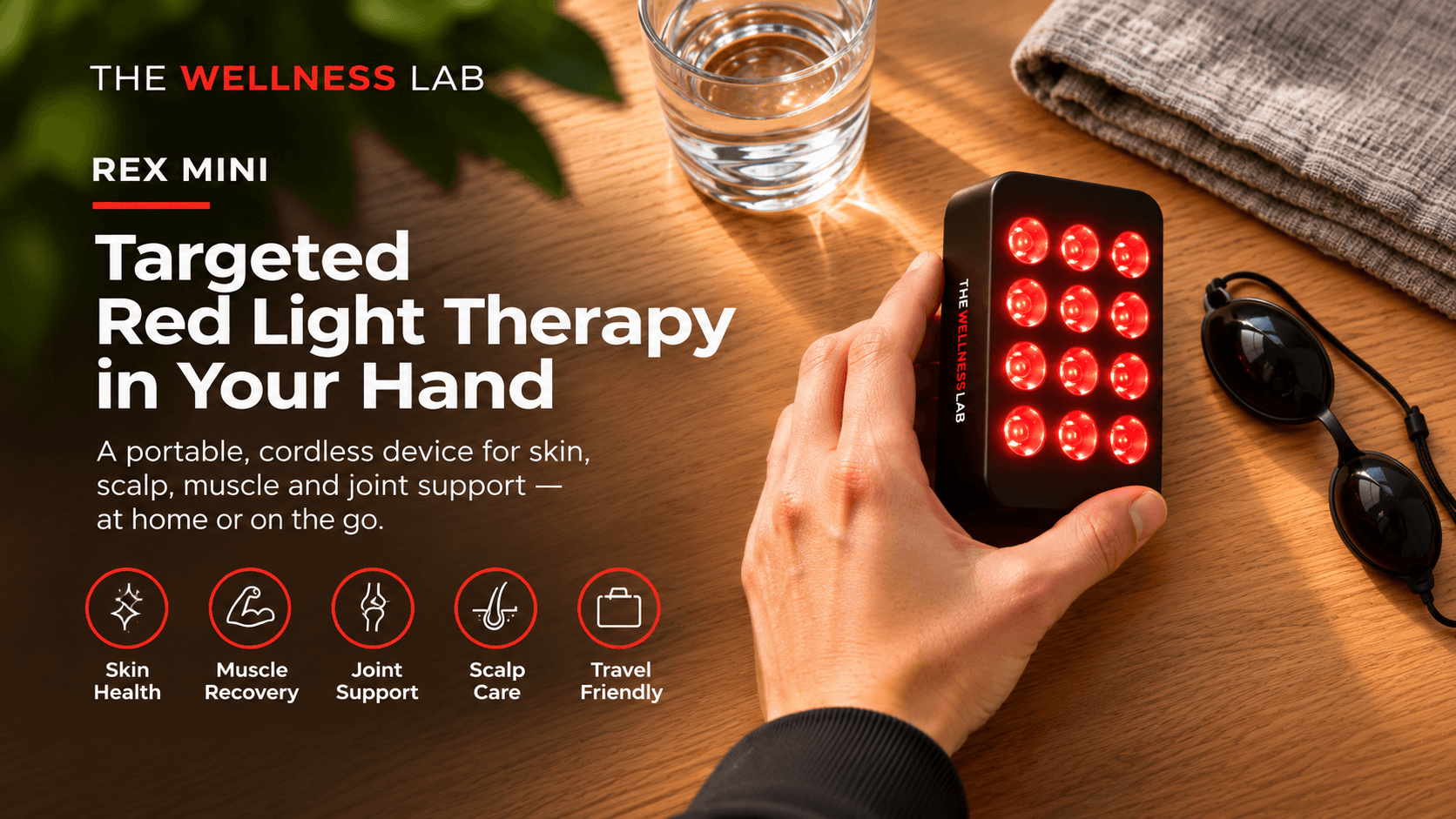
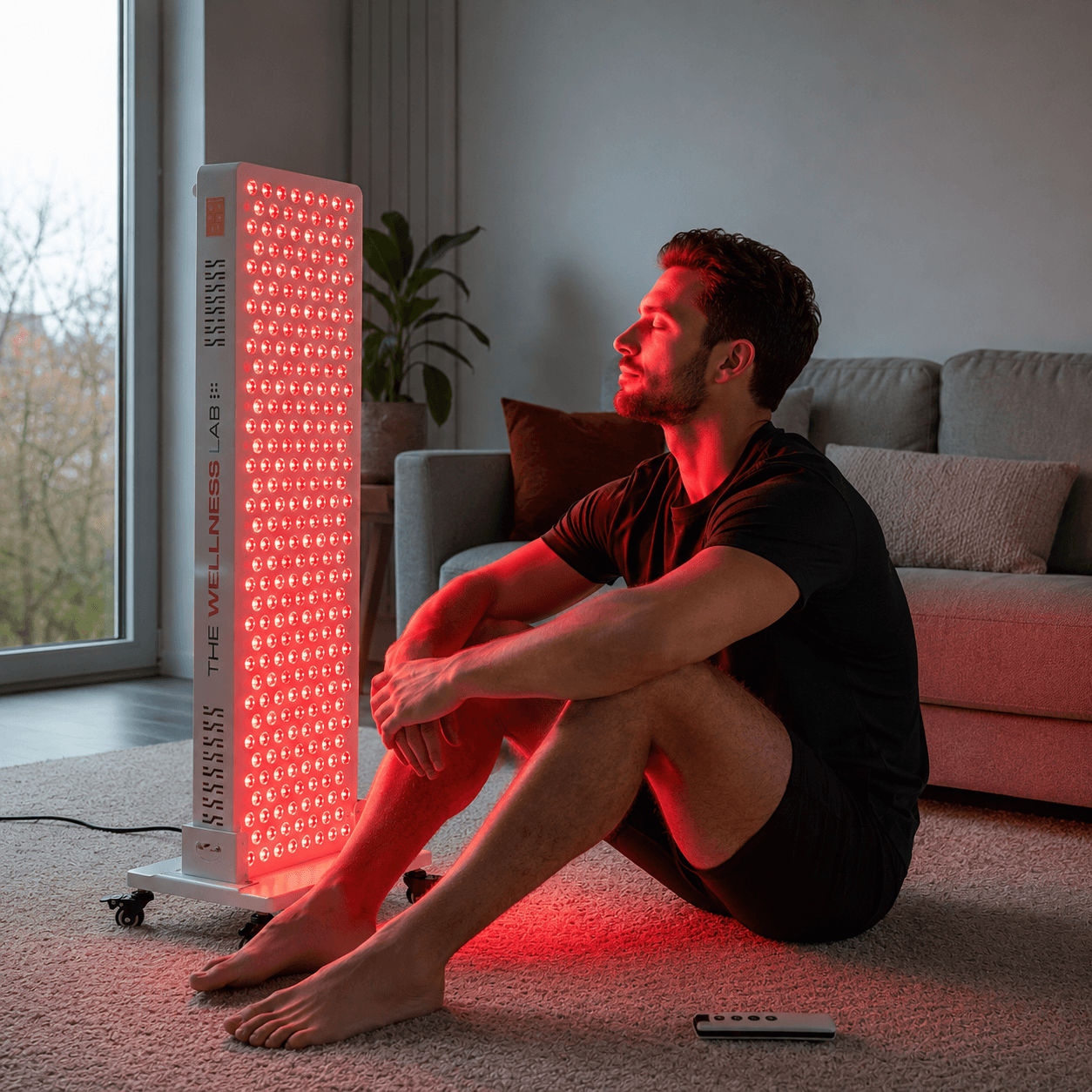
For targeted home recovery, REX ULTRA uses the nine-wavelength REX panel system and is suited to focused areas such as calves, quadriceps, shoulders or other localised muscle groups. The general REX panel routine is 15 to 25 minutes, twice a day, following the device instructions.
For local product and setup guidance, see red light therapy in Dubai, or read our post-workout recovery guide.
Dubai Fitness Challenge 30x30 FAQs
When is Dubai 30x30 in 2026?
Dubai Fitness Challenge runs from 31 October to 29 November 2026.
What does 30x30 mean?
It means committing to 30 minutes of physical activity every day for 30 days.
What counts as a recovery day during Dubai 30x30?
A recovery-focused 30 minutes can include walking, gentle cycling, easy swimming, mobility or yoga, depending on your fitness level and symptoms.
Do all 30 days need to be hard workouts?
No. Varying intensity is a more sustainable way to complete the challenge.
When is Dubai Run 2026?
Dubai Run is on Sunday, 22 November 2026, with 5 km and 10 km routes.
What should I do if I am very sore during Dubai 30x30?
Reduce intensity and use easy movement if appropriate. Sharp pain, swelling, weakness or worsening symptoms should be assessed rather than trained through.
Can red light therapy support recovery during 30x30?
Photobiomodulation has been studied for muscle performance and recovery, but it should be used as one part of a broader routine that includes sleep, nutrition, hydration and sensible training load.
Your 30x30 is not only about showing up. It is about recovering well enough to show up again tomorrow.
Explore targeted REX recovery options or use the complete post-workout recovery guide alongside your challenge.
Explore REX Recovery GuideSources
- Dubai Fitness Challenge. Official 2026 event information. Dubai Fitness Challenge 2026.
- Dubai Department of Economy and Tourism. Dubai Fitness Challenge 2026, 10th edition announcement, August 2026.
- Li BM, Qiu DY, Ni PS, et al. Lasers in Medical Science. 2024;39:132. DOI: 10.1007/s10103-024-04079-y.
- Martínez-Sanz JM, et al. 2026 review of nutritional strategies for recovery following high-intensity exercise.